
Artificial Intelligence is no longer a future concept—it has become an essential part of modern education. In 2026, students are leveraging AI tools to enhance productivity, improve learning efficiency, and manage academic workloads more effectively. From writing assignments to solving complex equations, AI-powered tools are transforming how students study and perform.
However, with hundreds of tools available online, choosing the right one can be overwhelming. This guide provides a carefully selected list of the best AI tools for students in 2026, along with detailed insights into how each tool works and how it can add real value to your academic journey.
Why AI Tools Are Essential for Students in 2026
Students today face increasing academic pressure, tight deadlines, and the need to multitask. AI tools help address these challenges by offering:
- Time efficiency: Automate repetitive tasks like note-taking and summarizing
- Improved accuracy: Reduce grammatical errors and enhance content quality
- Better understanding: Simplify complex topics with AI-generated explanations
- Personalized learning: Adapt content based on individual needs
Using AI responsibly allows students to focus more on learning concepts rather than spending excessive time on manual work.
1. ChatGPT – Advanced AI Assistant for Learning and Writing
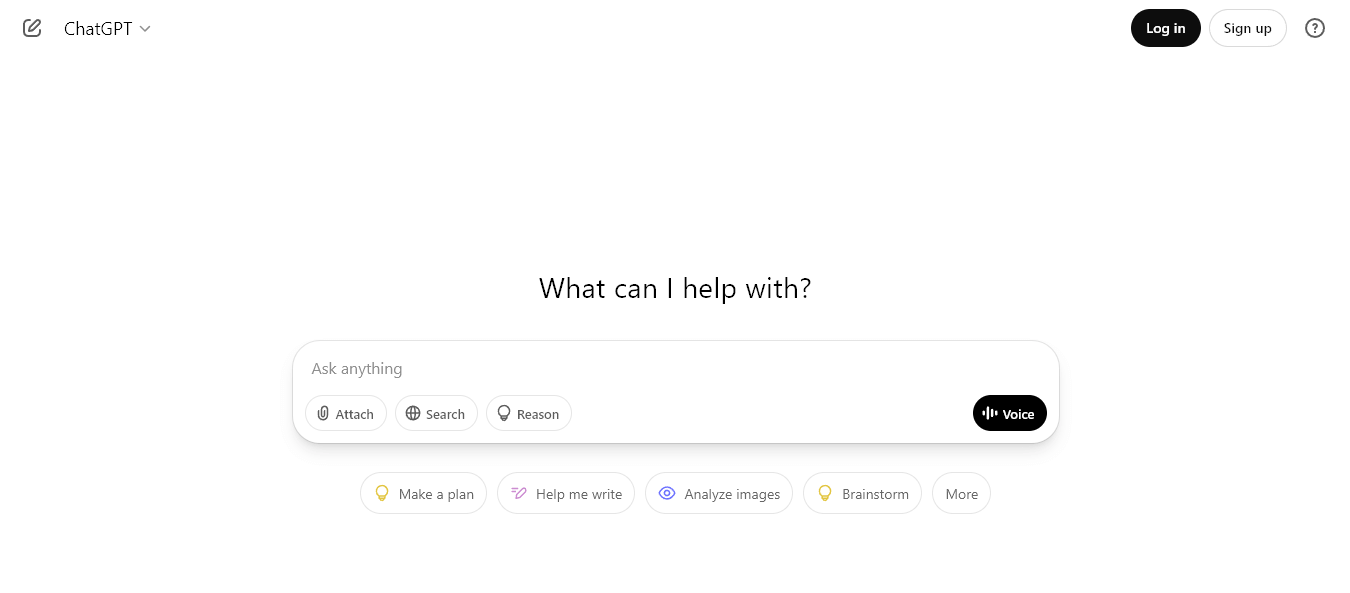
ChatGPT remains one of the most powerful AI tools for students due to its versatility. It acts as a virtual tutor, writing assistant, and research helper all in one.
Key Features:
- Generates essays, reports, and assignments
- Explains difficult concepts in simple language
- Summarizes long articles and textbooks
- Helps with coding, math, and research queries
How Students Benefit:
Students can use ChatGPT to brainstorm ideas, structure essays, and understand topics they find challenging. For example, instead of reading multiple sources, a student can ask ChatGPT for a simplified explanation and save valuable time.
Best Use Case:
- Writing assignments
- Research assistance
- Quick learning support
2. Grammarly AI – Professional Writing and Editing Tool
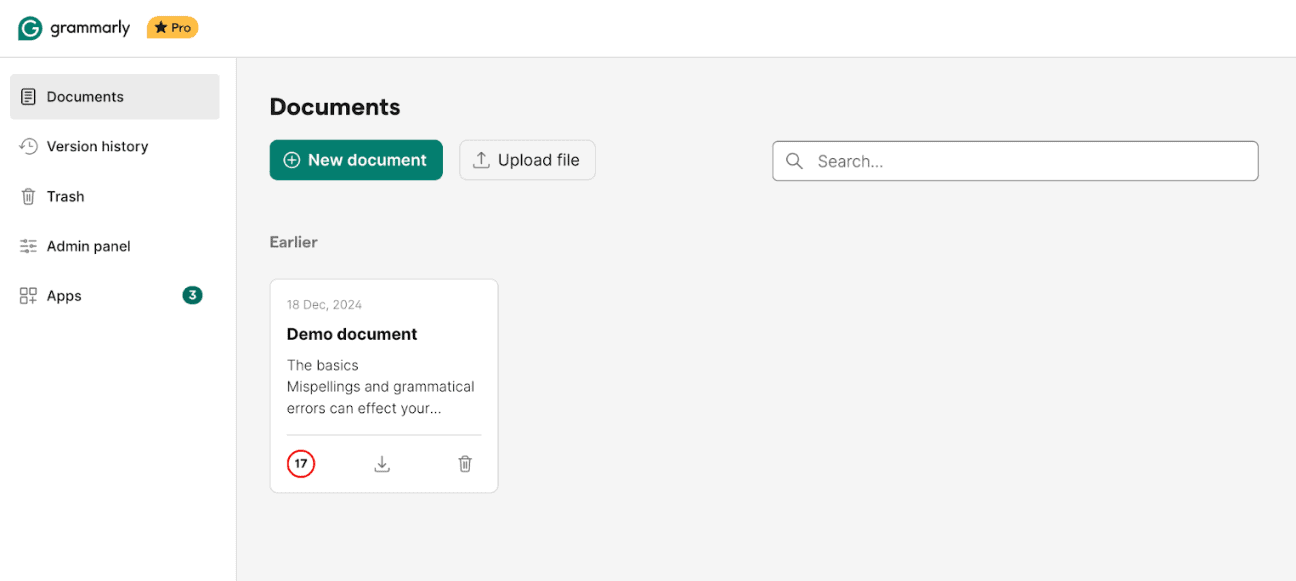
Grammarly AI goes beyond basic grammar checking. It provides advanced writing suggestions that improve clarity, tone, and professionalism.
Key Features:
- Real-time grammar and spelling correction
- Tone detection (formal, informal, academic)
- Sentence restructuring suggestions
- Plagiarism detection (premium feature)
How Students Benefit:
Students can ensure their assignments are error-free and professionally written. Grammarly is especially useful for essays, emails, and research papers where clarity and correctness are critical.
Best Use Case:
- Academic writing
- Email communication
- Proofreading assignments
3. Notion AI – Smart Note-Taking and Productivity System
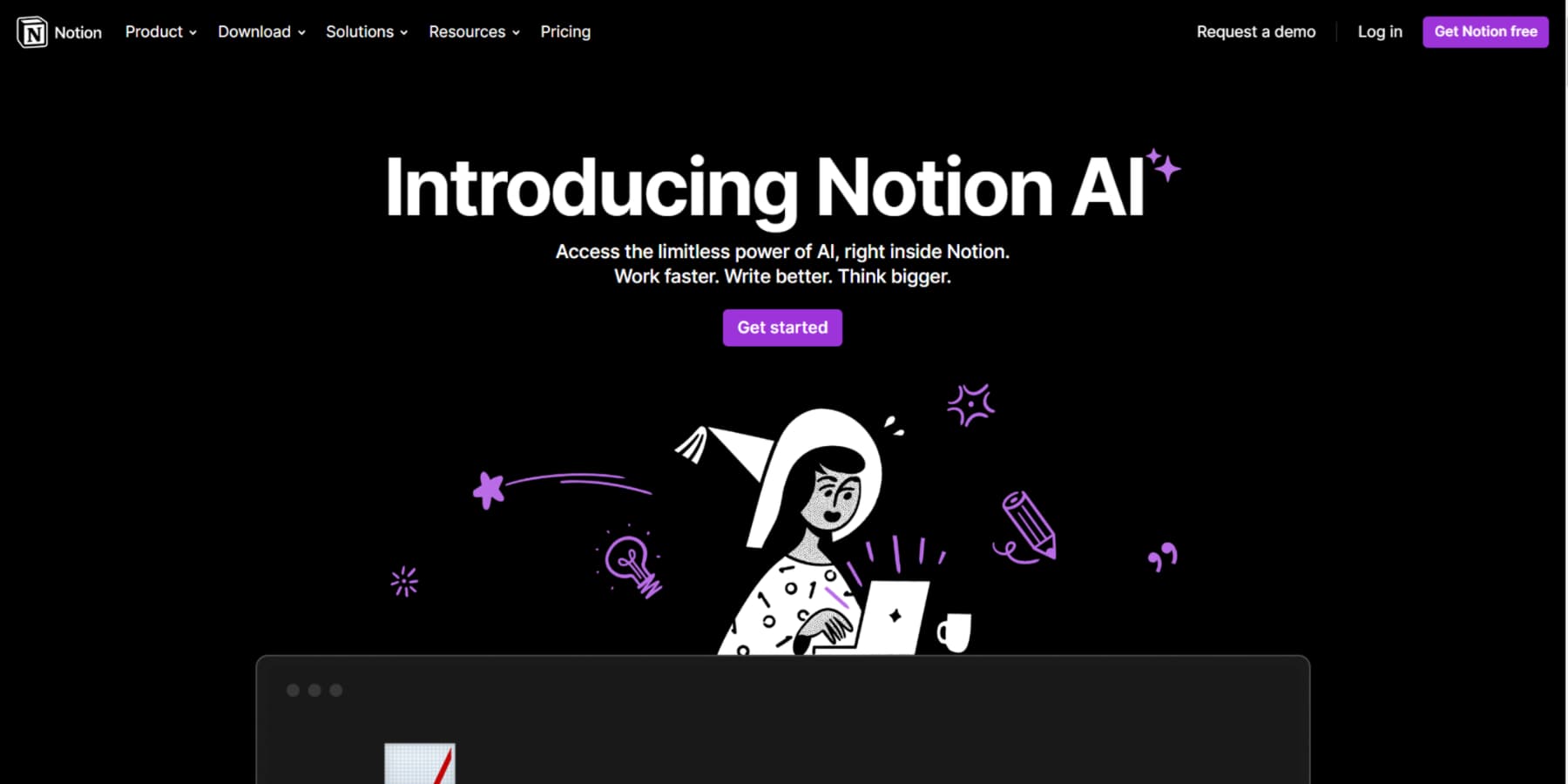
Notion AI is a powerful productivity platform designed for organization, planning, and content creation.
Key Features:
- AI-generated summaries and notes
- Task and deadline management
- Study planner integration
- Collaborative workspace
How Students Benefit:
Students can centralize all their study materials, notes, and assignments in one place. Notion AI also helps convert long lecture notes into concise summaries, making revision faster and easier.
Best Use Case:
- Note organization
- Study planning
- Project management
4. QuillBot – Intelligent Paraphrasing and Writing Enhancement Tool
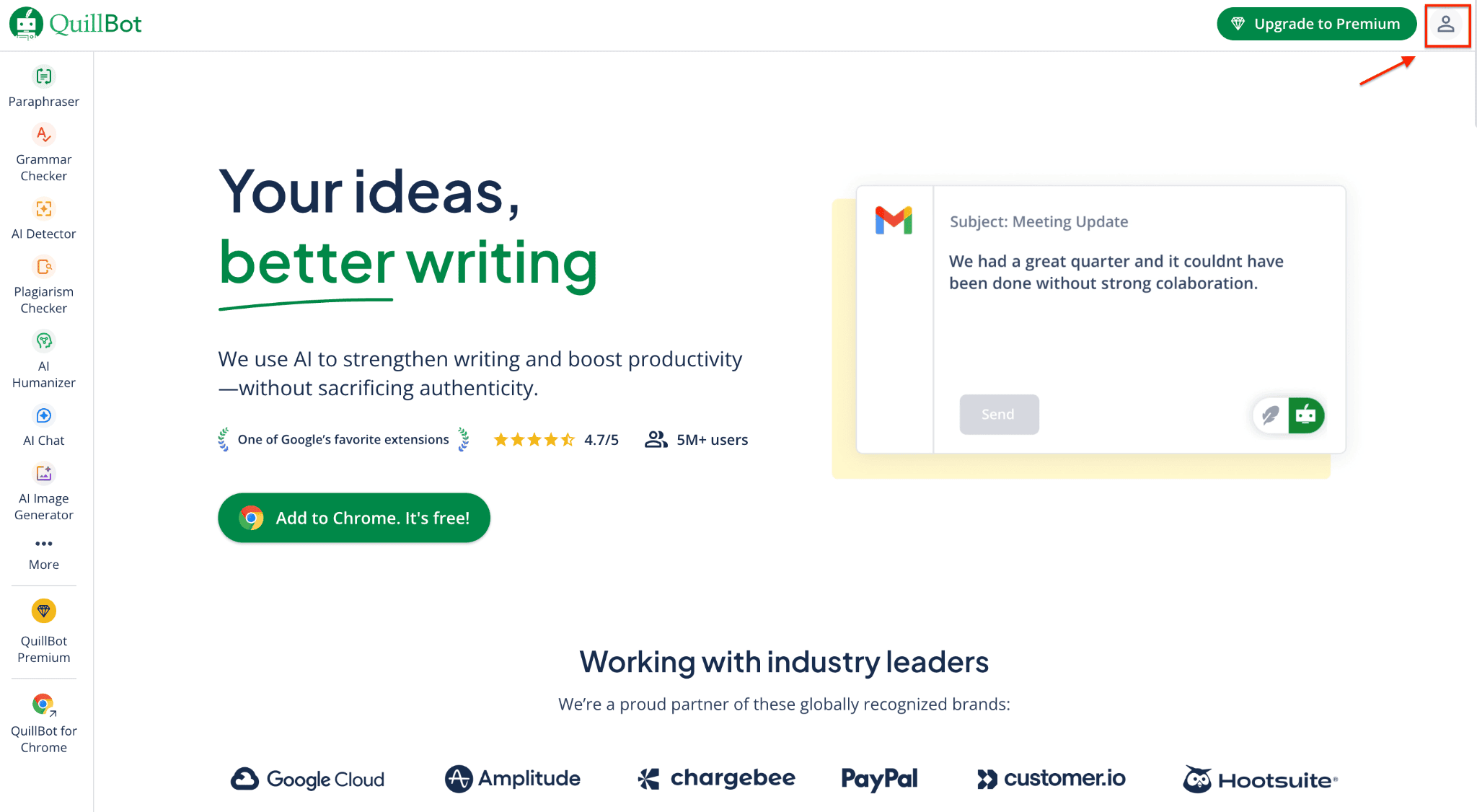
QuillBot is widely used among students for rewriting and improving content without losing its original meaning.
Key Features:
- Multiple paraphrasing modes
- Grammar checker integration
- Sentence restructuring
- Citation generator
How Students Benefit:
Students can improve their writing style and avoid plagiarism by rephrasing content effectively. It is particularly useful when working with research material or preparing assignments.
Best Use Case:
- Paraphrasing essays
- Improving writing quality
- Avoiding plagiarism
5. Canva AI – Visual Content Creation for Academic Projects
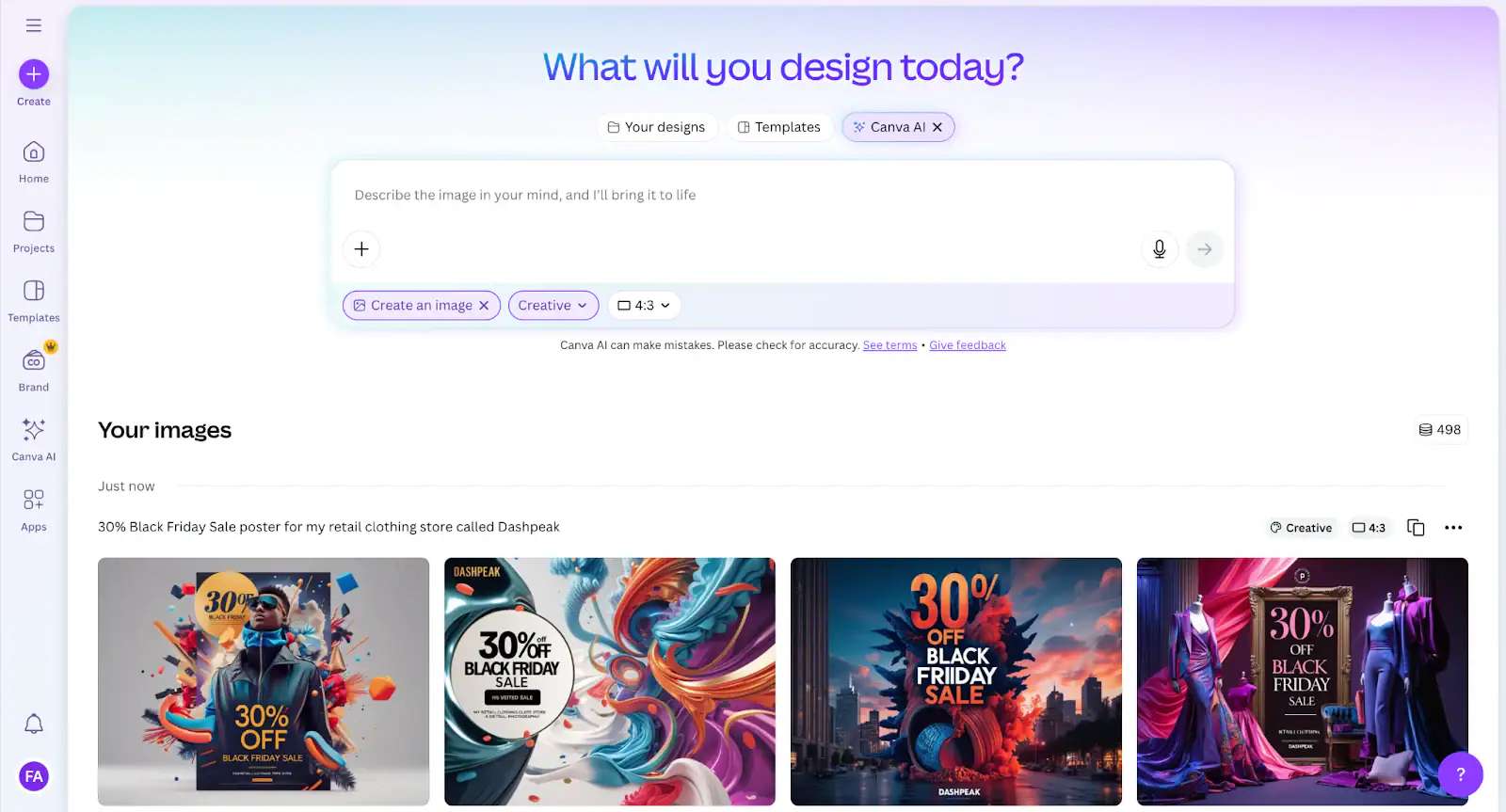
Canva AI enables students to create visually appealing presentations, infographics, and designs without requiring advanced design skills.
Key Features:
- AI-powered design suggestions
- Ready-made templates
- Presentation builder
- Image and video editing tools
How Students Benefit:
Students can create professional-looking presentations and projects that stand out. Visual content helps communicate ideas more effectively and improves overall academic performance.
Best Use Case:
- Presentations
- Posters and infographics
- Creative assignments
6. Wolfram Alpha – Computational Knowledge Engine
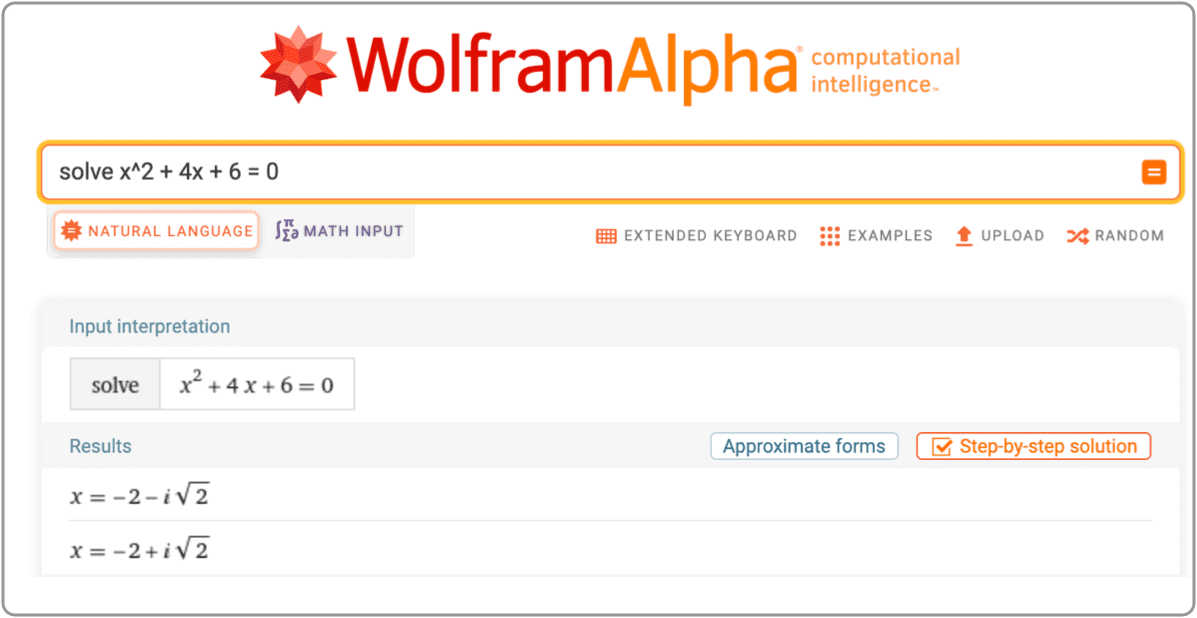
Wolfram Alpha is an advanced tool designed for solving complex mathematical and scientific problems.
Key Features:
- Step-by-step solutions
- Data analysis capabilities
- Graph generation
- Scientific computations
How Students Benefit:
Students studying mathematics, physics, or engineering can use Wolfram Alpha to solve problems and understand concepts through detailed explanations.
Best Use Case:
- Math problem solving
- Science calculations
- Data analysis
7. Speechify – AI-Powered Text-to-Speech Tool
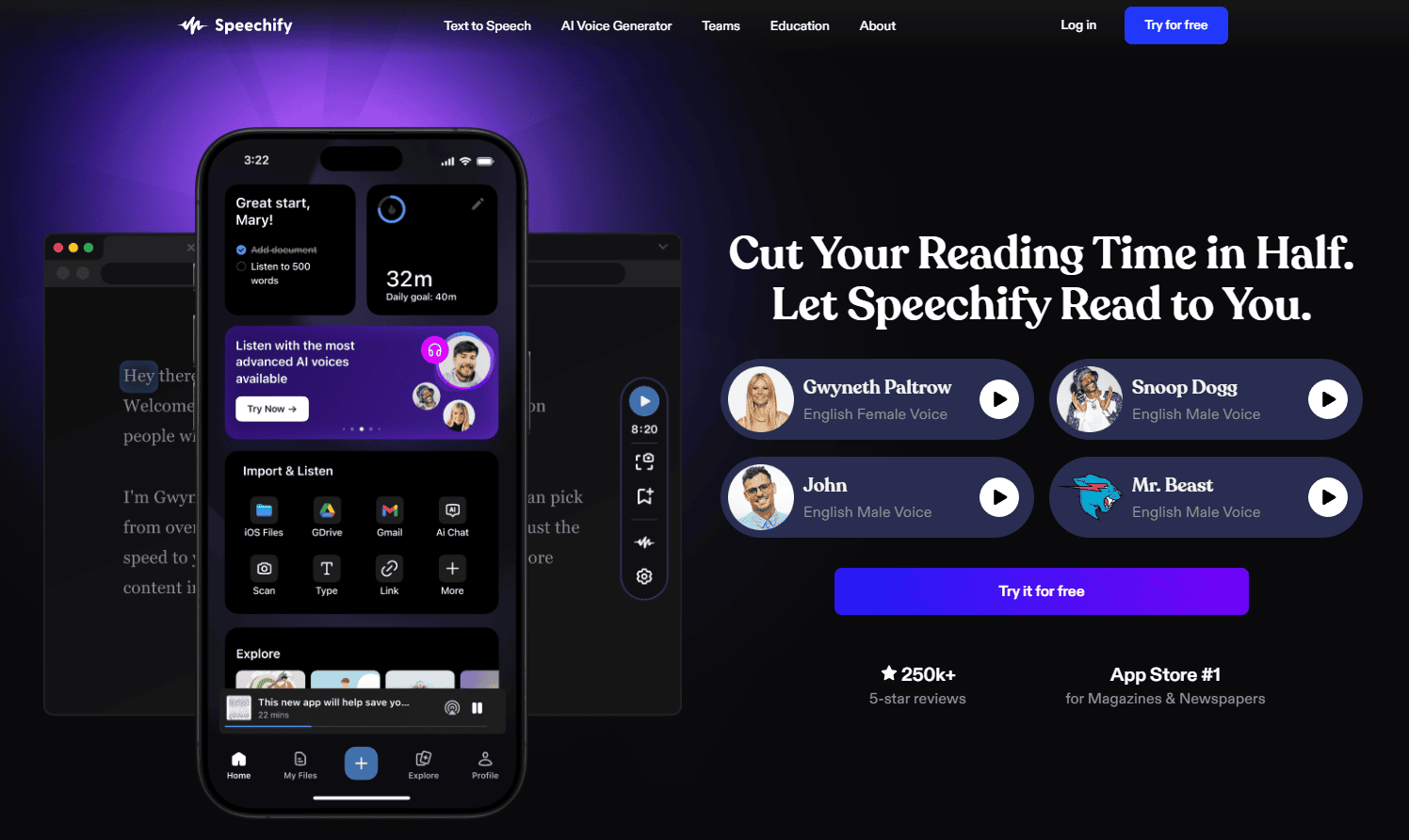
Speechify converts written text into natural-sounding audio, making learning more flexible and accessible.
Key Features:
- Converts PDFs, notes, and web pages into audio
- Adjustable reading speed
- Multi-language support
- Mobile-friendly
How Students Benefit:
Students can listen to study material while commuting or multitasking, improving retention and saving time. It is especially helpful for auditory learners.
Best Use Case:
- Listening to notes
- Revising on the go
- Improving focus
Free vs Paid AI Tools: Which One Should You Choose?
Most AI tools offer both free and premium versions. While free versions are sufficient for basic tasks, premium versions unlock advanced features such as:
- Higher accuracy
- Faster processing
- Advanced customization
- Additional integrations
Students should start with free versions and upgrade only when necessary.
How to Choose the Best AI Tool for Your Needs
Selecting the right AI tool depends on your academic requirements. Consider the following factors:
- Purpose: Writing, designing, problem-solving, or organization
- Ease of use: User-friendly interface
- Budget: Free vs paid plans
- Compatibility: Works on your device and platform
Choosing tools based on your specific needs ensures maximum productivity and efficiency.
Conclusion
AI tools are reshaping the future of education, offering students smarter ways to learn and work. The best AI tools for students in 2026 are not just about convenience—they are about enhancing learning, saving time, and improving performance.
By integrating these tools into your daily study routine, you can stay ahead academically and make the most of modern technology. However, it is important to use AI responsibly and ensure that it supports your learning rather than replacing it.
Start exploring these tools today and take a smarter approach to your studies.